The Belief in On-Demand Trust
Most readers assume trust can be built at the moment they decide to pursue AEO. The expectation is that once the strategy begins, trust will form quickly enough to support it. This belief treats trust as a switch — something activated when needed, not something accumulated over time.
That assumption collapses the moment timing enters the frame. Trust is not built when an organization wants it. It is built long before the organization realizes it will matter.
The Window That Closes Too Early
Trust infrastructure accumulates slowly. It forms through conditions that remain consistent across long stretches of time, not through last-minute adjustments made when visibility becomes a priority. By the time most organizations begin thinking about AEO, the window to establish foundational trust has already narrowed.
This is the part that is rarely understood. The evaluation begins before the strategy does. AI systems interpret a domain based on the history already present, not the intentions newly declared. When the window closes, it does not reopen on demand.
Trust Precedes Strategy
Trust is not a component of AEO. It is the precondition that determines whether AEO can function at all. WarmBadge measurements show this repeatedly: domains with long-standing stability and coherence are interpreted clearly, while domains that attempt to build trust only after pursuing visibility struggle to be understood.
Trust is not built when you need it — it was built before you knew you would.
Why This Matters Before Anything Else
If trust is not already present when AI systems begin evaluating a domain, no amount of optimization closes the gap in the timeframe that matters. AEO assumes the domain has accumulated enough stability for its signals to be interpreted without contradiction. When that assumption is false, every downstream effort becomes misaligned.
This is why trust cannot be deferred. It determines whether the domain is legible at the moment evaluation begins. Without that legibility, strategy cannot land, authority cannot form, and visibility cannot stabilize.
What Changes Once This Is Understood
Once the timing is understood, the order of operations shifts. Trust is no longer treated as a late-stage enhancement. It becomes the earliest requirement — the condition that must already exist before any attempt at optimization begins. Organizations that recognize this build differently. They prepare before they need to, not after.
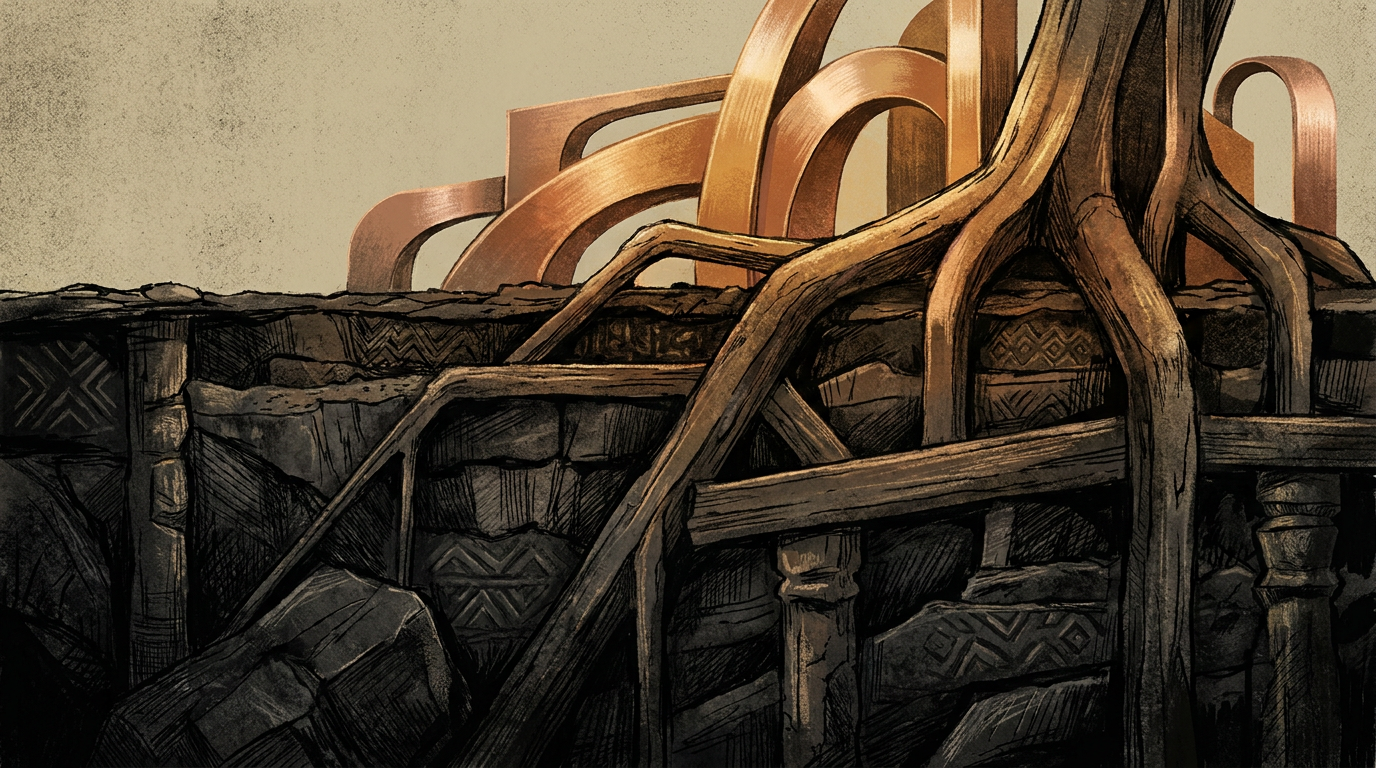
The work becomes clearer: trust is not a response to strategy. It is the ground strategy stands on.
Explore Frameworks →